Device-matrix testing
Test across target Android brands and OS versions instead of approving one reference phone.
Specify earbuds for Android around broad device compatibility, codec options, stable reconnect, multipoint and clear calls. Define the phone-brand matrix and feature priorities before selecting a chipset, firmware scope and private-label package.
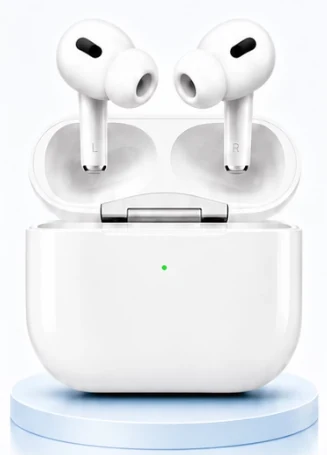
The US SERP mixes products, retail collections, reviews and questions. A useful OEM page connects search language to engineering choices and sample tests.
Test across target Android brands and OS versions instead of approving one reference phone.
Balance compatibility, sound, latency, licensing and chipset cost for the target segment.
Approve first pair, reconnect, multipoint and call handoff under real daily workflows.
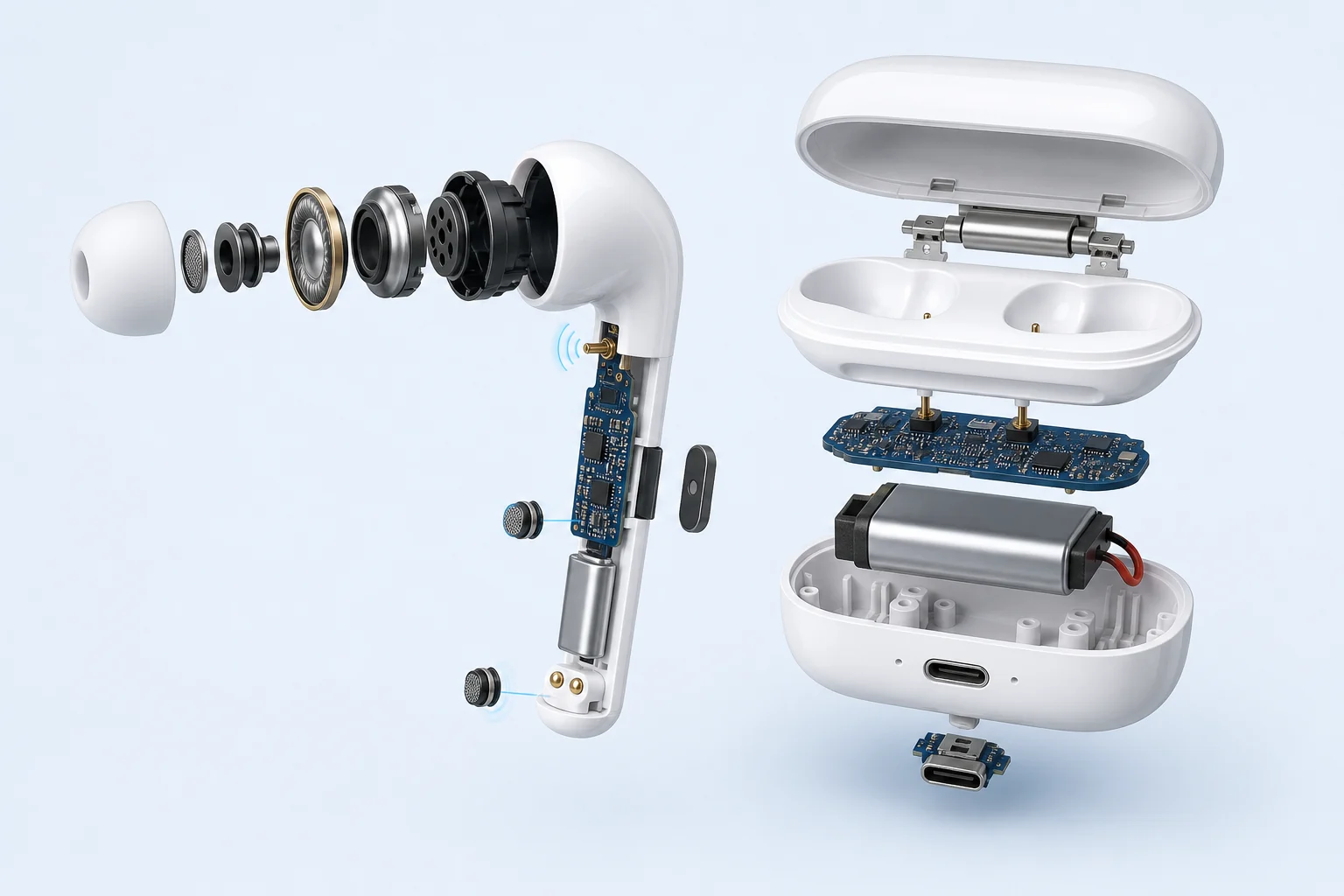
The supplied white stem-earbud platform is shown as a configurable product family. Final electronics, runtime, protection, tuning, certifications and claims must match the approved production-intent sample.
Targets below are configurable sourcing options, not universal specifications.
| Wireless platform | Bluetooth 5.3 / 5.4-class options |
|---|---|
| Codec options | SBC / AAC; advanced options by chipset |
| Multipoint | Optional; firmware and chipset dependent |
| Device matrix | Target brands and Android versions agreed |
| Microphones | Dual-mic / ENC-capable options |
| Runtime target | 6–9 h earbuds; case target by model |
Segment by customer job first, then select the electronics, firmware and packaging. Do not rename one undifferentiated specification for every channel.
Choose electronics, firmware, accessories and packaging for this customer job.
Choose electronics, firmware, accessories and packaging for this customer job.
Choose electronics, firmware, accessories and packaging for this customer job.

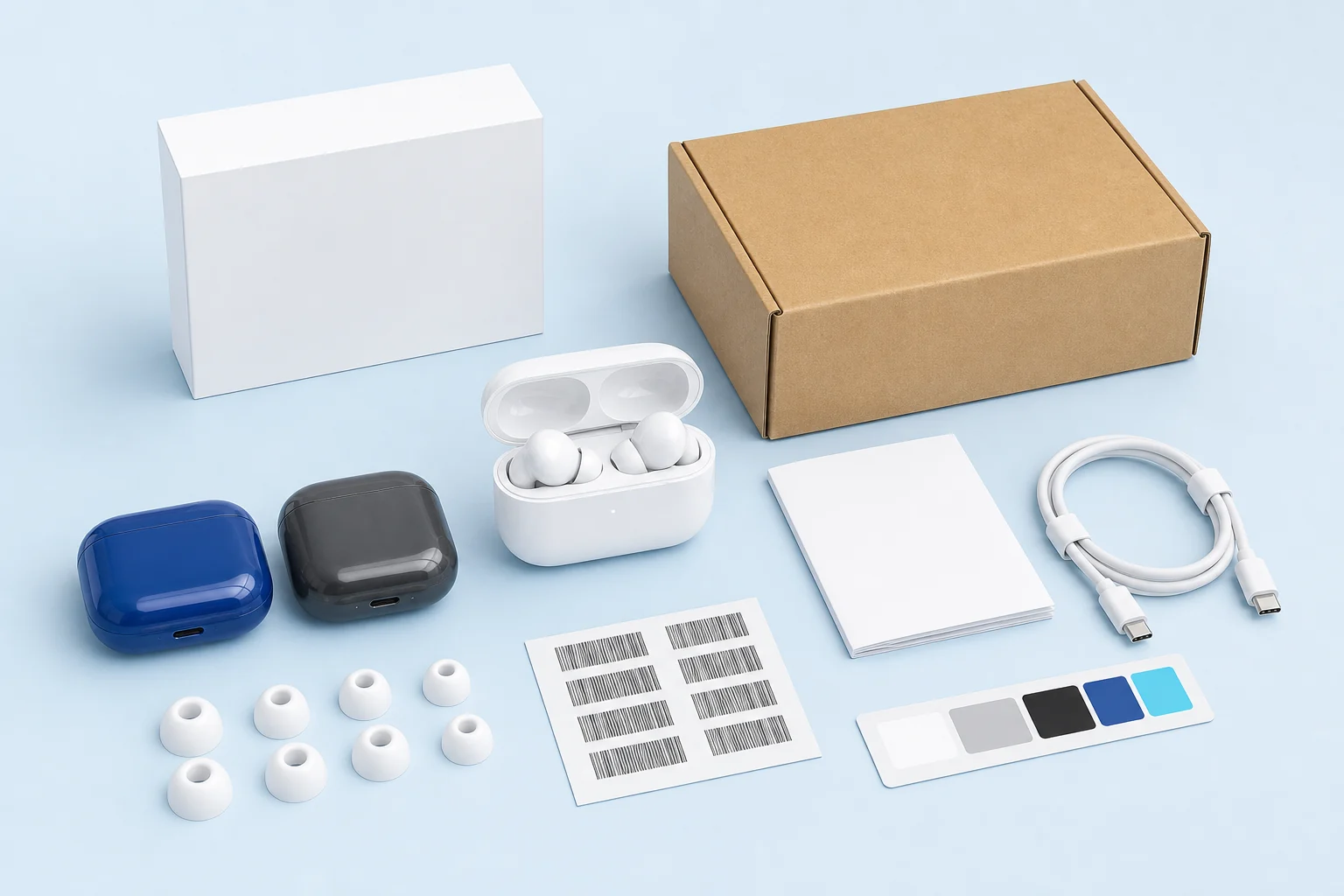
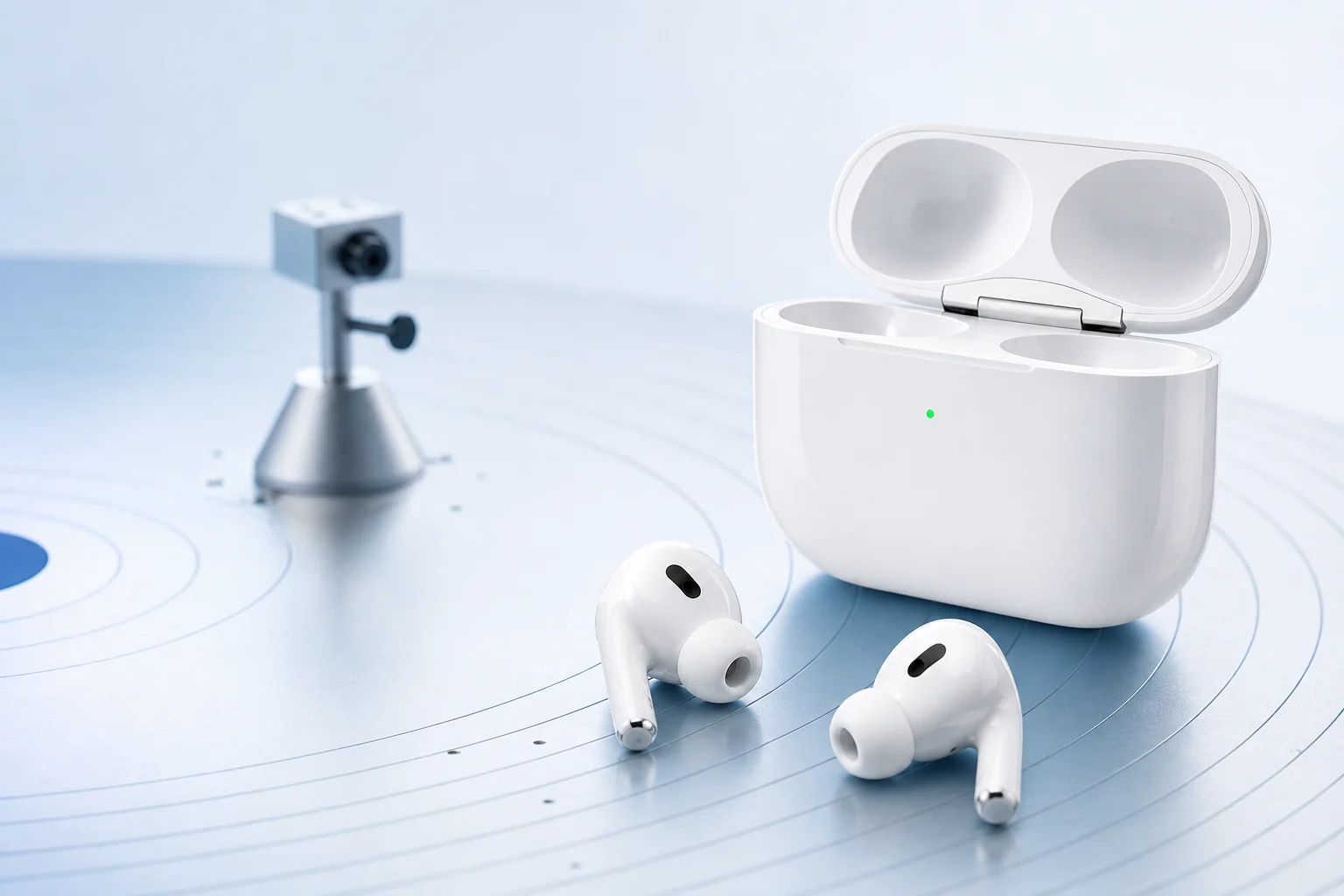
Approve a golden sample, record test conditions, set inspection points and keep packaging claims synchronized with the selected platform.
Market, price, quantity and measurable priorities.
Choose a platform and record requested changes.
Approve color, logo, prompts, pack and claims.
Lock the golden sample and inspection plan.
Specify earbuds for Android around broad device compatibility, codec options, stable reconnect, multipoint and clear calls. Define the phone-brand matrix and feature priorities before selecting a chipset, firmware scope and private-label package.
Compare fit, radio behavior, microphone samples, acoustic consistency, runtime method, charging reliability, compliance scope and the exact customization included in the quotation.
Visible answers match the FAQPage structured data and keep model-dependent language explicit.
Standards-based pairing is broad, but codec, battery display, fast-pair behavior, controls and apps vary. Test the selected model on the target device matrix.
There is no universal best choice. Compatibility, latency, source content, chipset, licensing and tuning all matter; select by channel and verify by listening.
Multipoint lets compatible earbuds maintain connections with two devices, such as a phone and laptop. Switching behavior must be tested on the selected firmware.
Yes. Android implementations and optional features vary, so the RFQ should name priority brands, models and OS versions.
App support is possible on selected platforms, but EQ, controls, updates, languages, privacy and long-term maintenance add scope and cost.
Share market, quantity, target price, priority features, branding and packaging. The form opens a WhatsApp draft for review and never sends automatically.
contact@globalvibecart.com
WhatsApp: +86 172 7868 9106
Planning references: Bluetooth SIG specifications, FCC equipment-authorization resources, and European Commission CE-marking guidance.
These references provide planning context; they do not prove that a particular model is certified or compliant. Verify the applicant, manufacturer, model, configuration, standard, date and market scope of each record.
Last reviewed: 26 July 2026. See About, our method, terms, or contact us.