Value retail
Core TWS
Reliable daily audio for promotions, mass retail, and entry-level e-commerce.
- Noise controlENC calls
- Battery target24–30h total
- Driver range10–13mm
- Best forVolume programs
Source Bluetooth earbuds for wholesale, private label, retail, and e-commerce programs. Compare proven TWS configurations, tune the features that matter, approve samples, and move into controlled production with one responsive sourcing team.
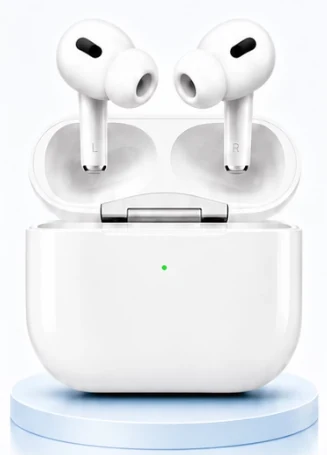
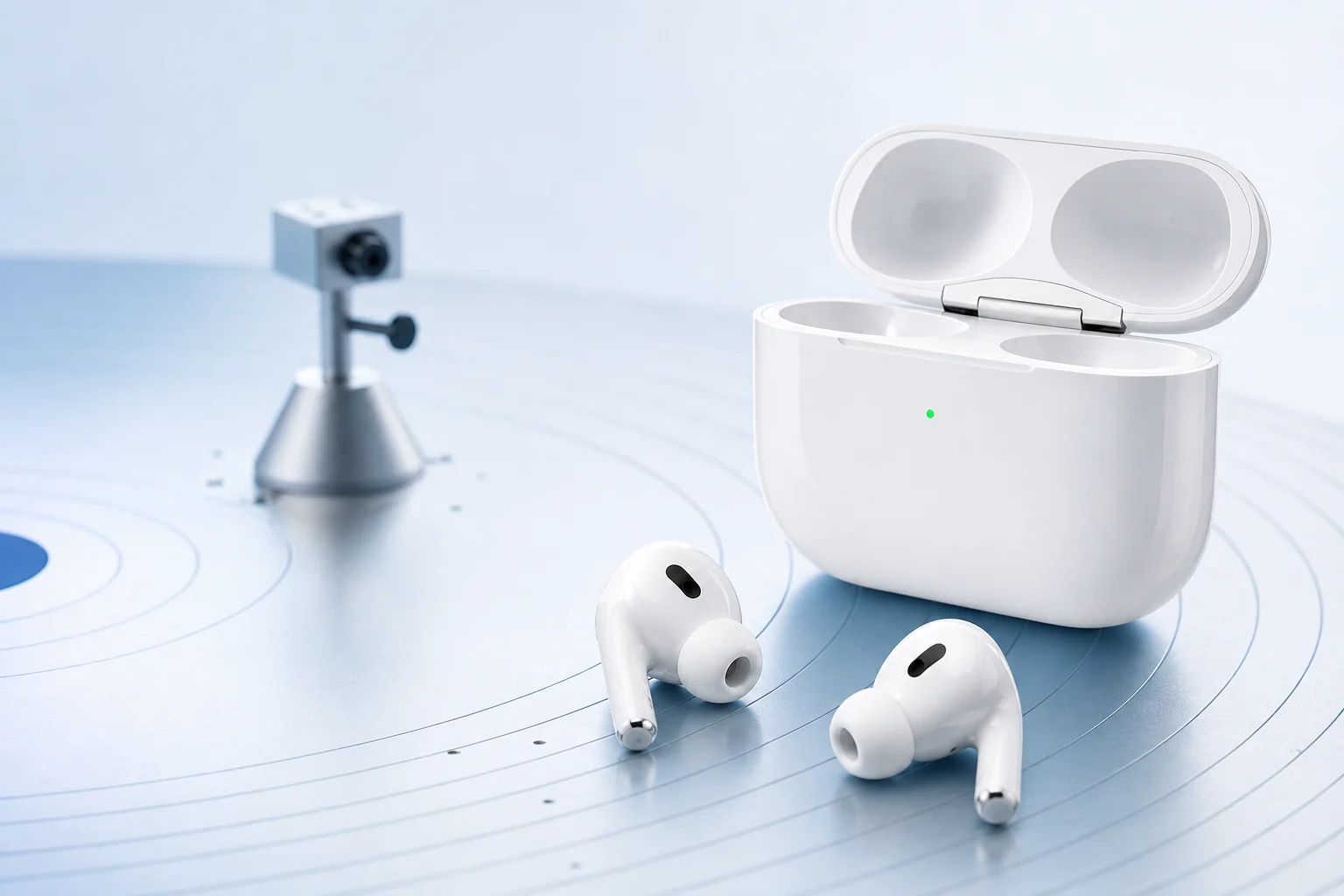
Driver response, microphone pickup, antenna stability, battery behavior, charging contacts, and firmware all shape the experience buyers will review after launch.
Search results are dominated by shopping grids, “best earbuds” comparisons, and feature explainers. This sourcing matrix turns those buyer expectations into three practical B2B starting points.
Reliable daily audio for promotions, mass retail, and entry-level e-commerce.
Balanced feature value for mobile accessory brands and modern retail channels.
Higher-spec options for differentiated audio, gaming, and flagship programs.
Start with the sales channel and target cost. We then match the chipset, acoustic structure, battery, microphones, case, and packaging to the commercial target.
| Wireless platform | Bluetooth 5.3 / 5.4 model options; iOS and Android compatibility |
|---|---|
| Audio architecture | 10–13 mm dynamic-driver options; SBC / AAC and selected advanced codec options by chipset |
| Noise control | Standard, ENC call-noise reduction, hybrid ANC, and transparency-mode options |
| Battery planning | Typical targets: 5–8 hours per charge and 24–40 hours with charging case |
| Charging | USB-C standard; wireless charging and fast-charge options on selected cases |
| Controls | Touch control, voice assistant, music, calls, and optional low-latency mode |
| Protection | IPX4 / IPX5 options for selected models; confirm test scope before order |
| Customization | Logo, color, case finish, retail box, manual, barcode, SKU label, and carton mark |
Bluetooth earbuds are compact systems. Small differences in batteries, firmware, microphones, assembly, and packaging can become large return-rate problems after launch.
Left-right sync, reconnect behavior, and device compatibility should be checked before approval.
Microphone count alone does not prove performance. Evaluate voice pickup in realistic noise.
Confirm runtime, charging behavior, case capacity, and component consistency by batch.
Wrong labels, manuals, barcodes, or accessories can block retail and fulfillment programs.
A practical sourcing partner connects product selection, branding, sample approval, production control, and shipping preparation—without hiding the trade-offs.
Tell us whether you sell through distribution, retail, marketplaces, promotional programs, or your own brand.
Coordinate logo position, case finish, packaging, manual language, barcode, labels, and carton marks.
Review function, sound, microphone, charging, appearance, and packaging before mass production.
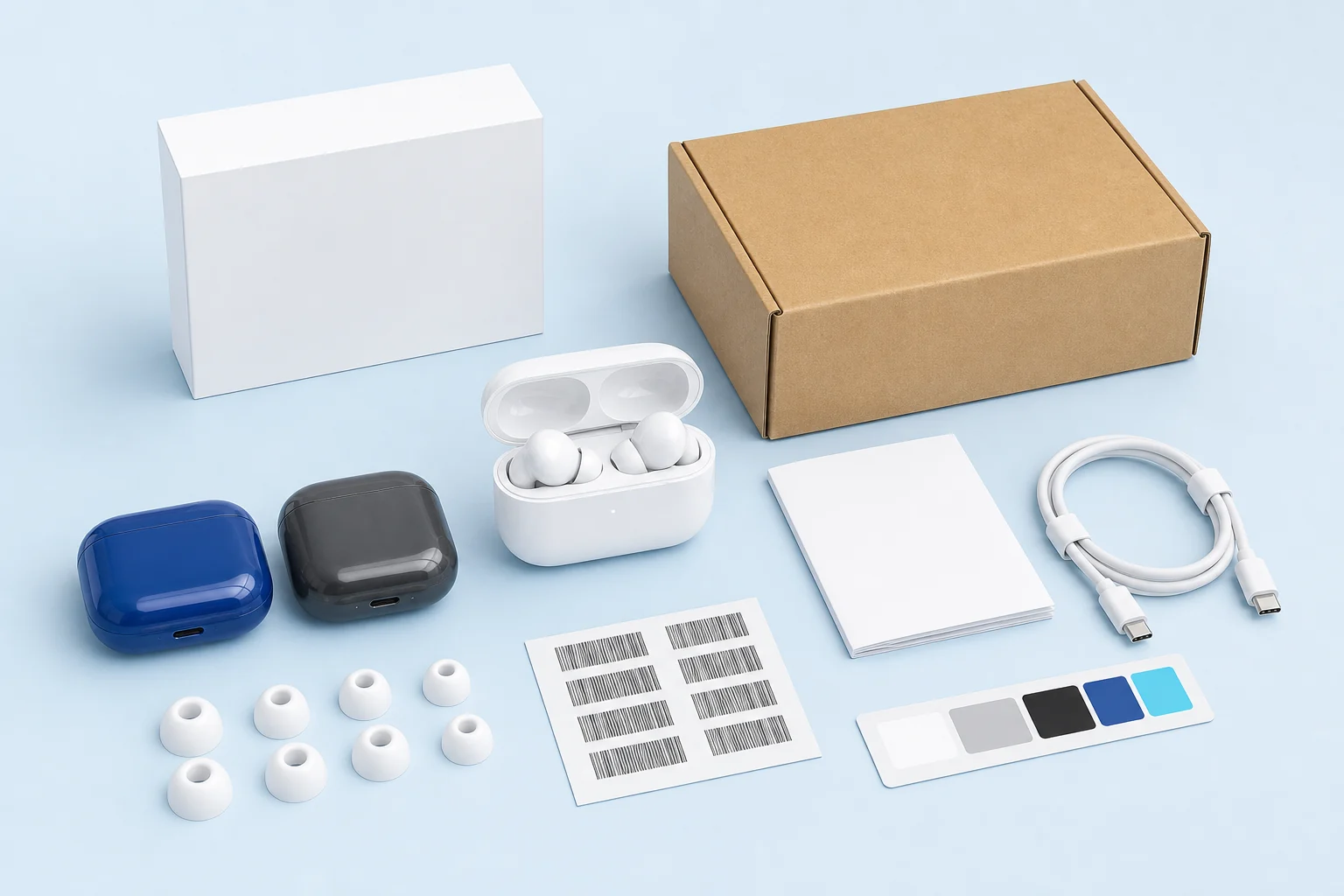
Bluetooth earbuds are compact in-ear audio devices that receive sound wirelessly from a phone, computer, or other source. True wireless stereo (TWS) models remove the cable between the left and right earbuds and use a charging case for storage and additional battery life.
For B2B buyers, the product is more than the earbuds: chipset, drivers, microphones, batteries, antennas, firmware, acoustic tuning, charging contacts, case design, accessories, packaging, and compliance documentation all affect the final program.
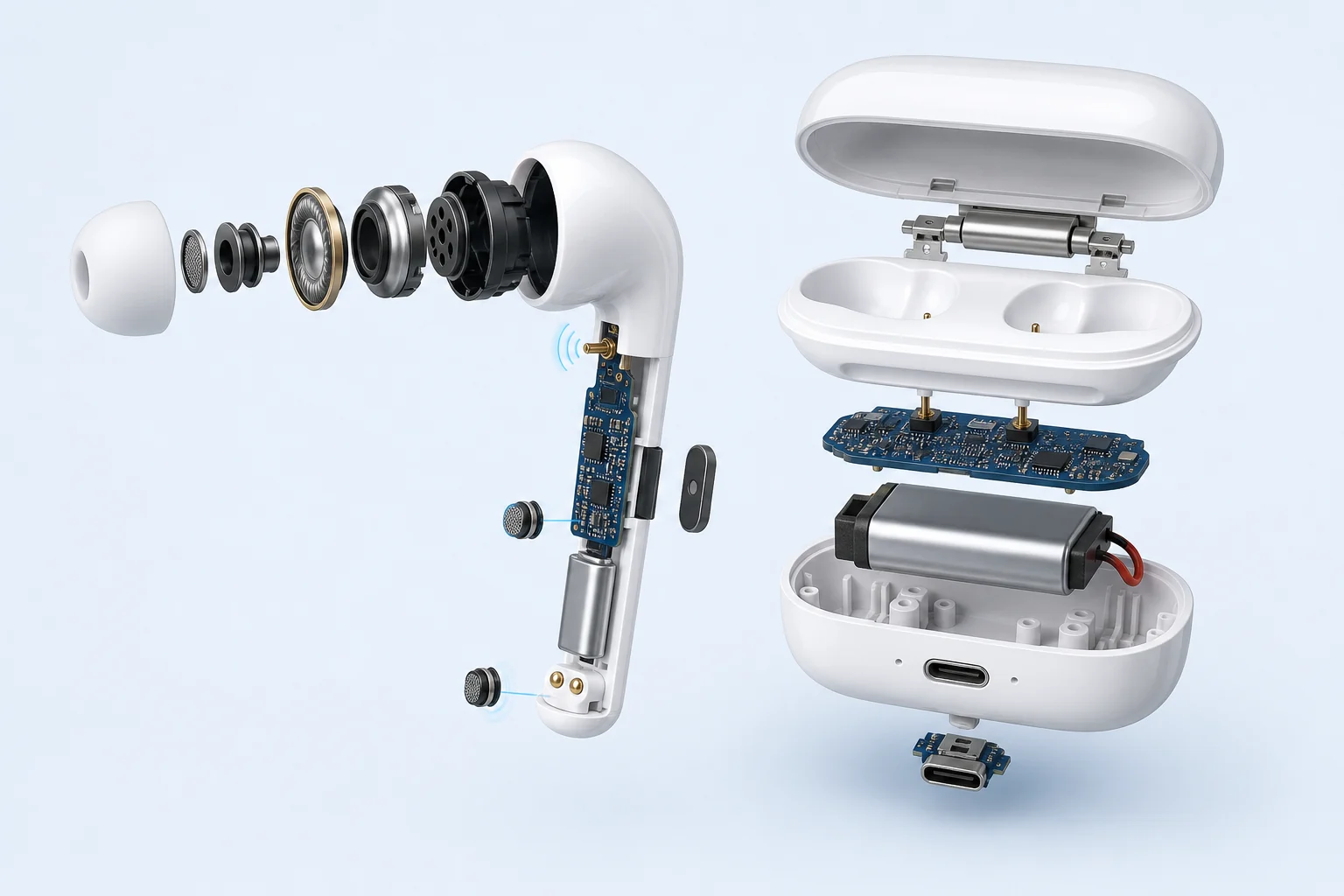 DRIVER + ACOUSTIC CHAMBERPCB + ANTENNABATTERY + CHARGING SYSTEM
“Wireless” and “Bluetooth” are often used interchangeably in shopping results, but product form and radio architecture still change the user experience.
| Decision factor | True wireless earbuds | Neckband earphones | 2.4 GHz gaming earbuds |
|---|---|---|---|
| Cable between ears | No | Yes | No |
| Everyday portability | Excellent | Good | Good |
| Typical connection | Bluetooth | Bluetooth | 2.4 GHz dongle + Bluetooth option |
| Latency potential | Standard to low-latency mode | Standard | Lowest for gaming |
| Best B2B fit | Retail, brands, e-commerce | Sport, value, long-wear | Gaming and console accessories |
A useful inquiry is not “send the best earbuds.” It is a compact commercial brief that lets a supplier compare real options against your market.
Retail, distribution, e-commerce, promotion, or brand launch each creates different cost and packaging priorities.
Rank ANC, microphone quality, battery, waterproofing, latency, app support, and codec needs.
Provide quantity, target unit cost, destination market, and required launch window.
Prepare a sample checklist covering fit, sound, calls, pairing, charging, controls, and packaging.
Timings vary by model and customization scope, but the approval gates stay consistent.

Confirm market, quantity, target cost, functions, packaging, and destination.
Compare suitable existing models or define an ODM development route.
Test product performance and approve logo, colors, and packaging artwork.
Freeze the approved specification and complete controlled mass production.
Check function, appearance, branding, packaging, and shipping marks.
Please share your target quantity, market, sales channel, target cost, required features, logo and packaging plan, certification or document needs, and shipping destination. This helps us recommend realistic models instead of sending a generic catalog.
Yes. Common private-label options include logo printing or laser marking on the charging case, retail-box artwork, user manual, barcode, SKU label, accessory set, and carton mark. Availability and MOQ depend on the selected model and method.
MOQ varies by model, logo method, color, packaging, and component change. Existing models with a simple logo usually require less volume than custom colors, custom packaging, firmware changes, or new tooling. Request a model-specific MOQ.
Yes. Sampling is the recommended way to evaluate fit, sound, Bluetooth stability, calls, battery, controls, charging, appearance, and packaging before a production order.
ANC reduces environmental noise for the listener. ENC is commonly used to describe microphone-side noise reduction for clearer calls. They solve different problems, so buyers should test both in realistic scenarios.
Documentation needs depend on the product configuration and destination market. Tell us the market and required standards early so the selected model, battery, labels, test scope, and shipment documents can be reviewed before order confirmation.
Include quantity, destination, target price level, and must-have features. We will use those inputs to narrow the product direction.
Planning references: Bluetooth SIG specifications, FCC equipment-authorization resources, and European Commission CE-marking guidance.
These references provide planning context; they do not prove that a particular model is certified or compliant. Verify the applicant, manufacturer, model, configuration, standard, date and market scope of each record.
Last reviewed: 26 July 2026. See About, our method, terms, or contact us.