Driver and chamber plan
Choose dynamic or hybrid architecture with enough chamber control for the target bass profile.
Develop bass earbuds by aligning driver architecture, chamber volume, venting, DSP and ear-tip seal. Approve sub-bass extension, midrange clarity, loudness consistency and left-right matching with reference tracks and measurements.
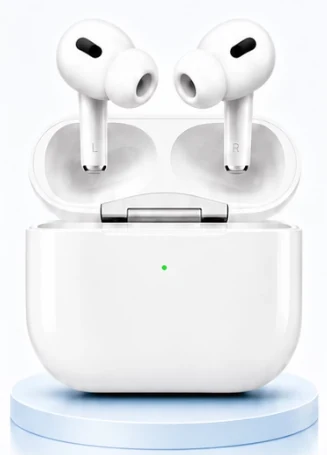
The US SERP mixes products, retail collections, reviews and questions. A useful OEM page connects search language to engineering choices and sample tests.
Choose dynamic or hybrid architecture with enough chamber control for the target bass profile.
Tip fit changes low-frequency response, so tuning must be checked across sizes and users.
Use crossover, EQ and distortion checks to preserve mids and attack as bass level rises.
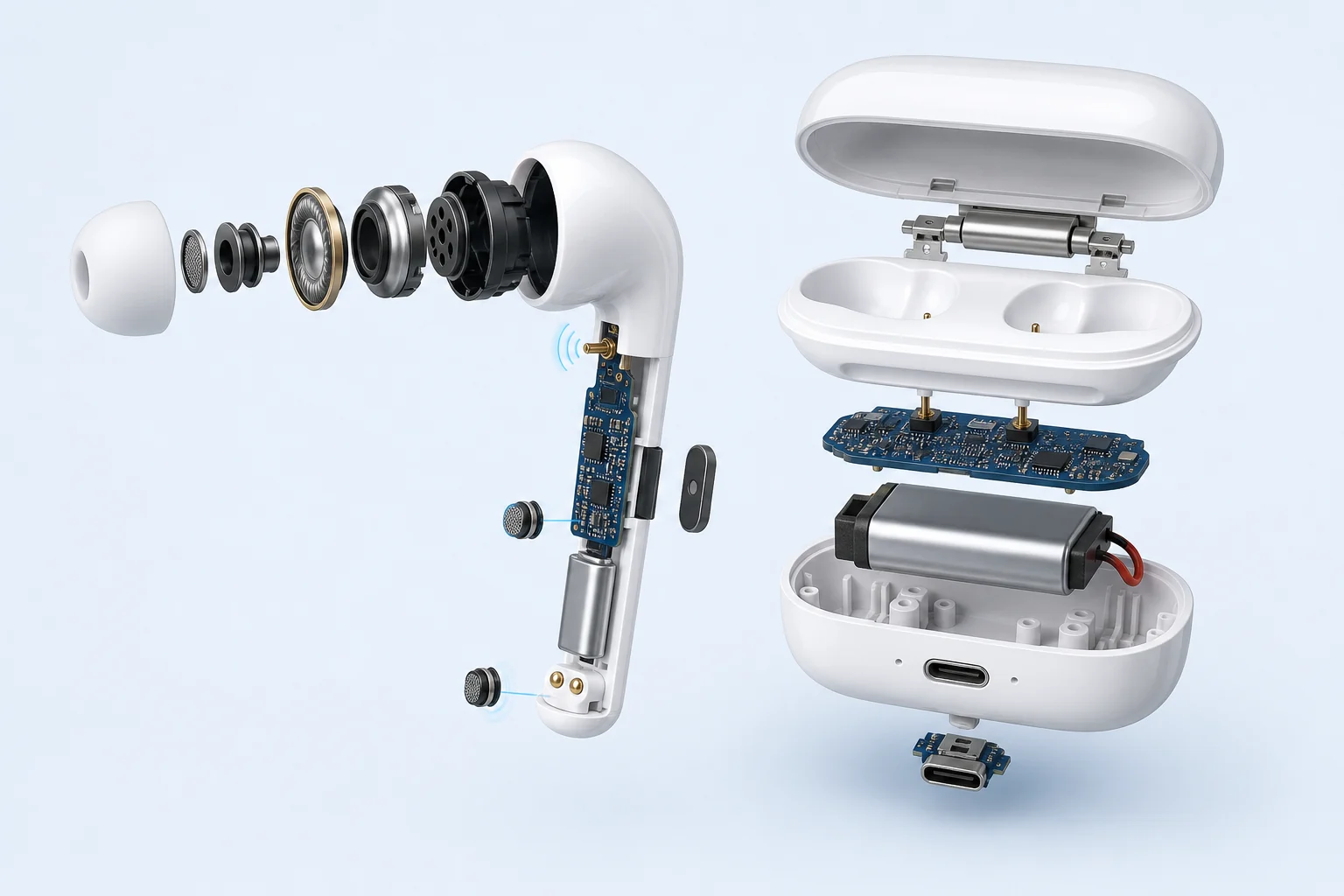
The supplied white stem-earbud platform is shown as a configurable product family. Final electronics, runtime, protection, tuning, certifications and claims must match the approved production-intent sample.
Targets below are configurable sourcing options, not universal specifications.
| Driver options | 10–13 mm dynamic; hybrid by platform |
|---|---|
| Tuning target | Warm, punch or sub-bass-forward profiles |
| Ear tips | Multiple sizes for seal consistency |
| Acoustic checks | Sweep, distortion and L/R matching |
| Runtime target | 6–8 h earbuds; case target by model |
| Customization | EQ, prompts, color, logo and packaging |
Segment by customer job first, then select the electronics, firmware and packaging. Do not rename one undifferentiated specification for every channel.
Choose electronics, firmware, accessories and packaging for this customer job.
Choose electronics, firmware, accessories and packaging for this customer job.
Choose electronics, firmware, accessories and packaging for this customer job.

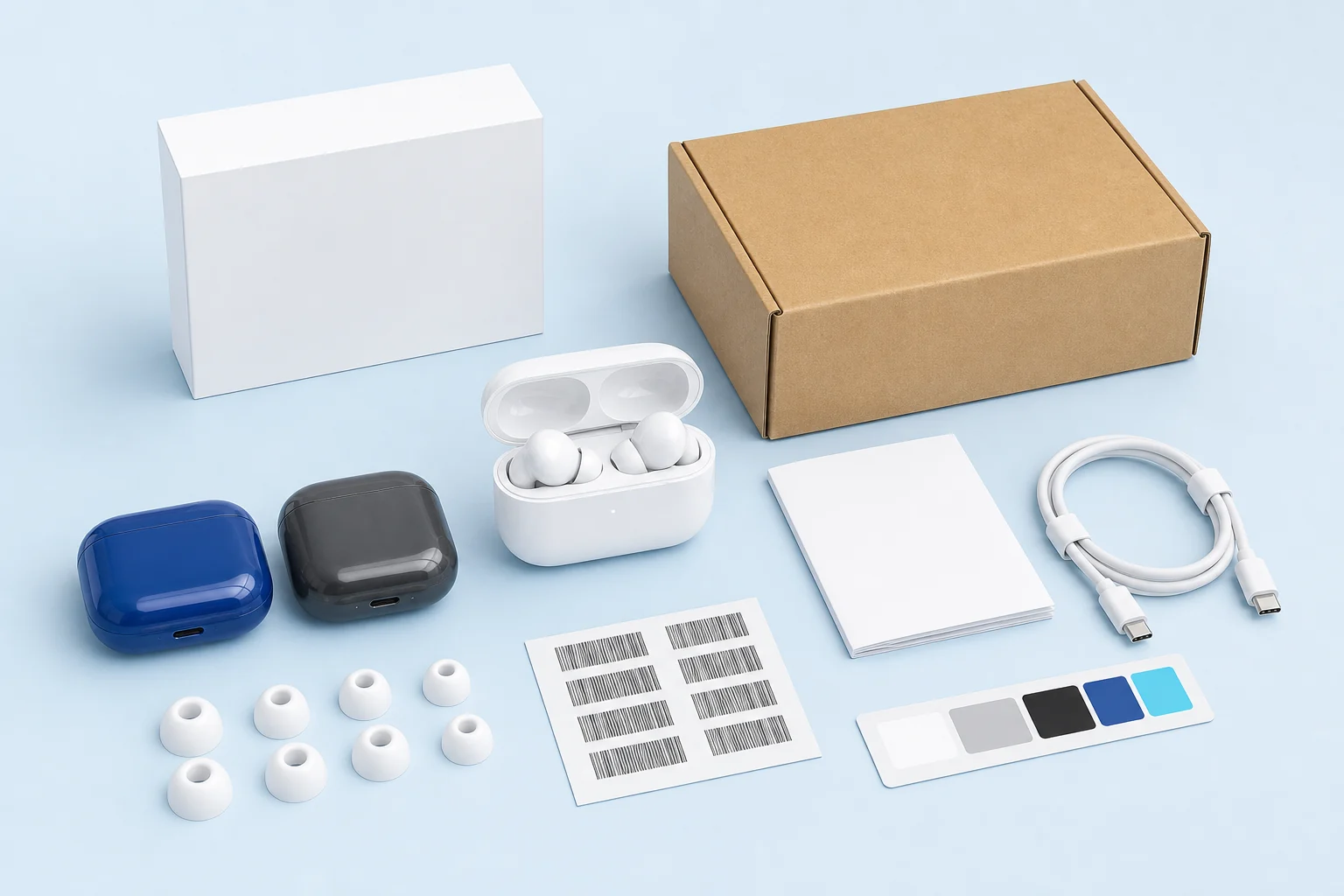
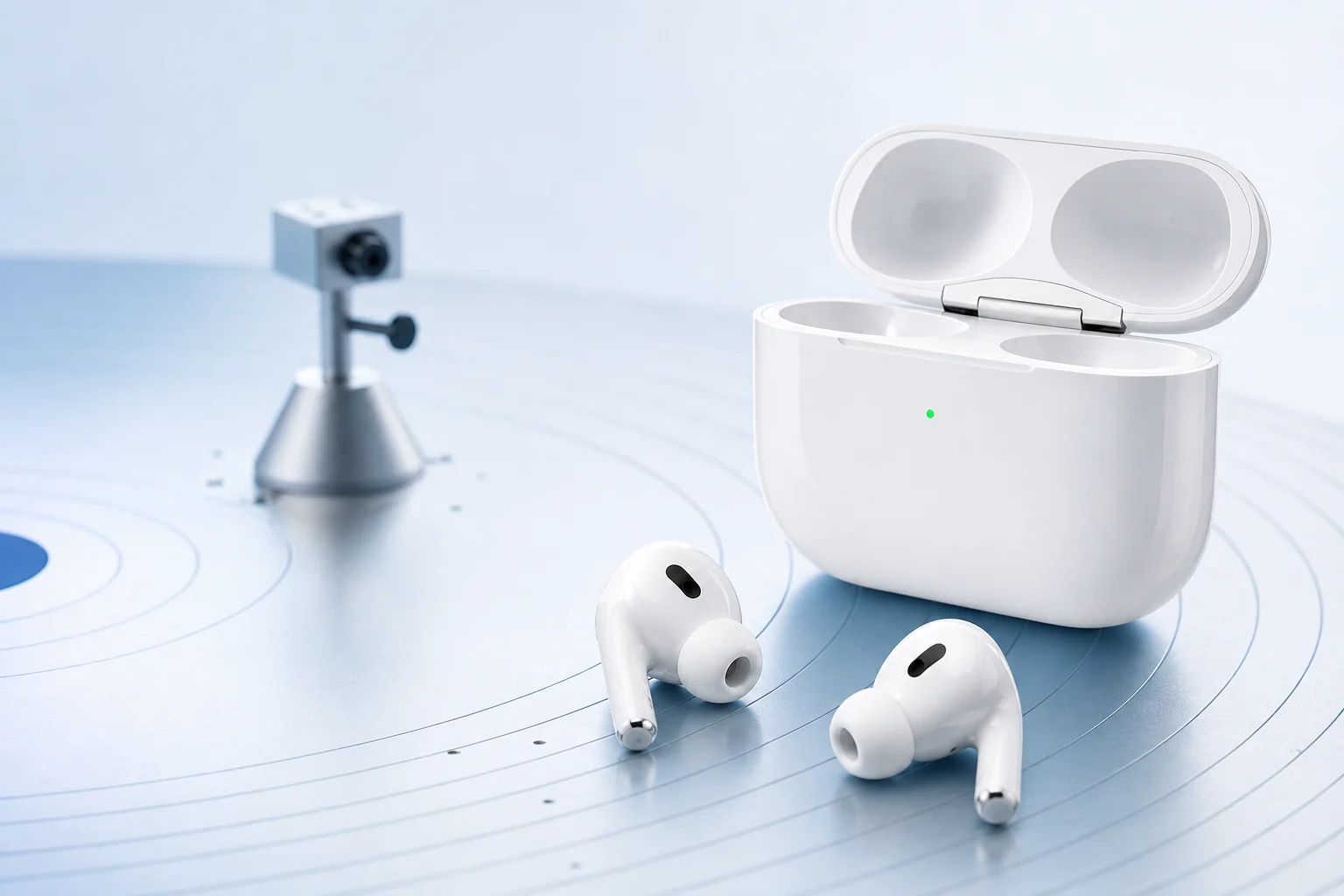
Approve a golden sample, record test conditions, set inspection points and keep packaging claims synchronized with the selected platform.
Market, price, quantity and measurable priorities.
Choose a platform and record requested changes.
Approve color, logo, prompts, pack and claims.
Lock the golden sample and inspection plan.
Develop bass earbuds by aligning driver architecture, chamber volume, venting, DSP and ear-tip seal. Approve sub-bass extension, midrange clarity, loudness consistency and left-right matching with reference tracks and measurements.
Compare fit, radio behavior, microphone samples, acoustic consistency, runtime method, charging reliability, compliance scope and the exact customization included in the quotation.
Visible answers match the FAQPage structured data and keep model-dependent language explicit.
Driver capability, chamber and vent design, DSP, amplifier headroom and a stable ear-tip seal all contribute. Driver size alone is not enough.
No. A larger driver can provide useful headroom, but tuning, enclosure, seal and distortion control determine the audible result.
Low frequencies depend on an effective seal. A loose or unstable tip leaks acoustic pressure and can reduce bass and noise isolation.
Use agreed reference tracks plus frequency, distortion, loudness and left-right consistency checks at stated fit and volume conditions.
Selected platforms allow acoustic and DSP tuning. Define target listeners, reference products, tracks and measurable limits before sample rounds.
Share market, quantity, target price, priority features, branding and packaging. The form opens a WhatsApp draft for review and never sends automatically.
contact@globalvibecart.com
WhatsApp: +86 172 7868 9106
Planning references: Bluetooth SIG specifications, FCC equipment-authorization resources, and European Commission CE-marking guidance.
These references provide planning context; they do not prove that a particular model is certified or compliant. Verify the applicant, manufacturer, model, configuration, standard, date and market scope of each record.
Last reviewed: 26 July 2026. See About, our method, terms, or contact us.