Explicit IP target
Separate sweat and rain resistance from immersion claims and document the test boundary.
Source waterproof earbuds by defining the exposure first: sweat, rain, rinse or brief immersion are different engineering briefs. Select an IP target, seal design, secure fit, controls and charging-case protection, then verify the approved sample under stated conditions.
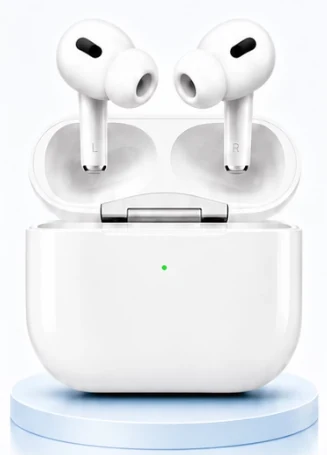
The US SERP mixes products, retail collections, reviews and questions. A useful OEM page connects search language to engineering choices and sample tests.
Separate sweat and rain resistance from immersion claims and document the test boundary.
Tip size, shell angle and retention must remain stable as heat and moisture increase.
Case seals, dry-before-charge instructions and contact design are part of the product story.
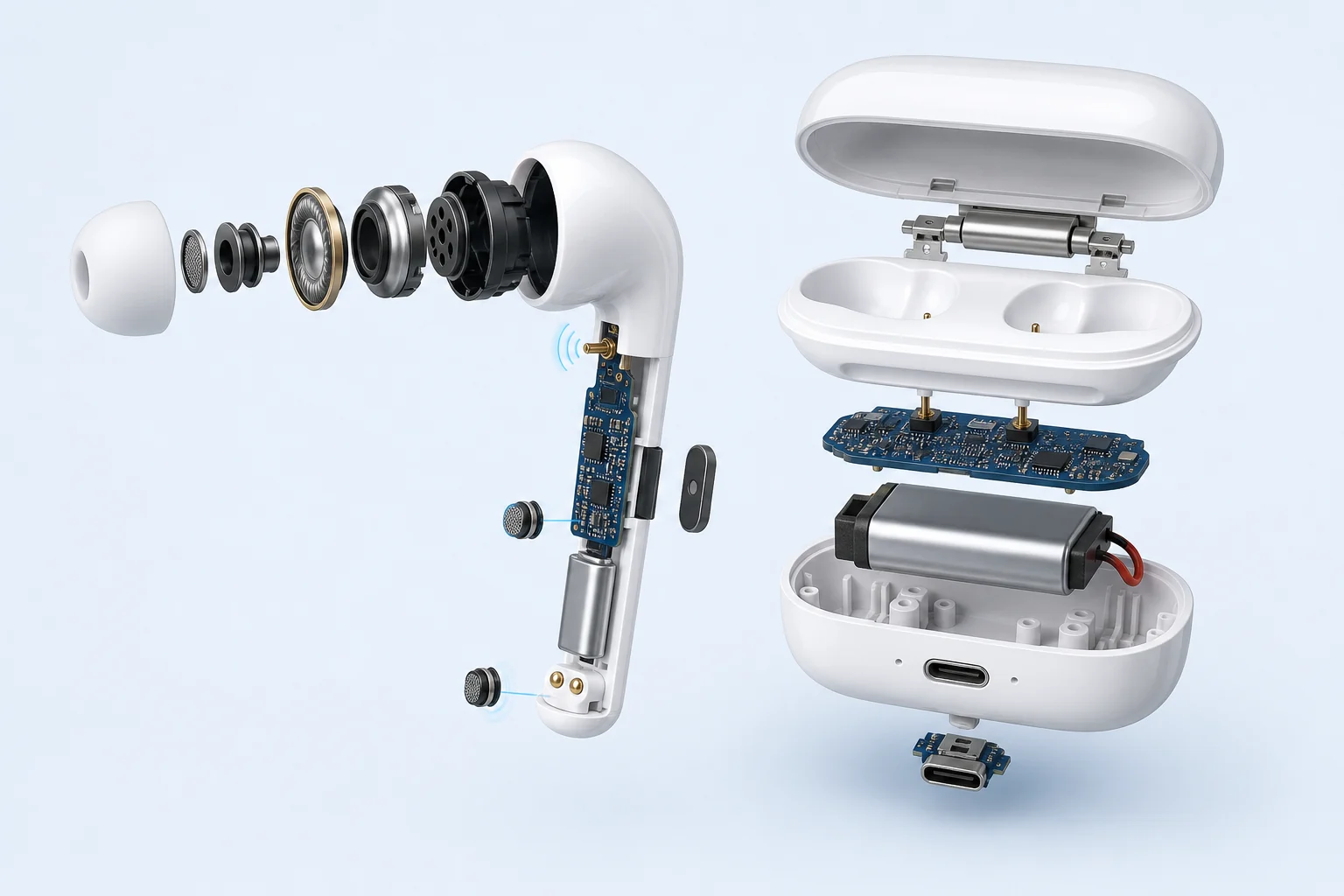
The supplied white stem-earbud platform is shown as a configurable product family. Final electronics, runtime, protection, tuning, certifications and claims must match the approved production-intent sample.
Targets below are configurable sourcing options, not universal specifications.
| Protection target | IPX5 / IPX7-class options by platform |
|---|---|
| Use boundary | Sweat, rain or immersion claim selected separately |
| Fit system | Multiple silicone tips; retention option |
| Controls | Wet-hand touch or physical-control options |
| Runtime target | 6–8 h earbuds; 24–32 h with case |
| Charging | USB-C; wireless charging by model |
Segment by customer job first, then select the electronics, firmware and packaging. Do not rename one undifferentiated specification for every channel.
Choose electronics, firmware, accessories and packaging for this customer job.
Choose electronics, firmware, accessories and packaging for this customer job.
Choose electronics, firmware, accessories and packaging for this customer job.

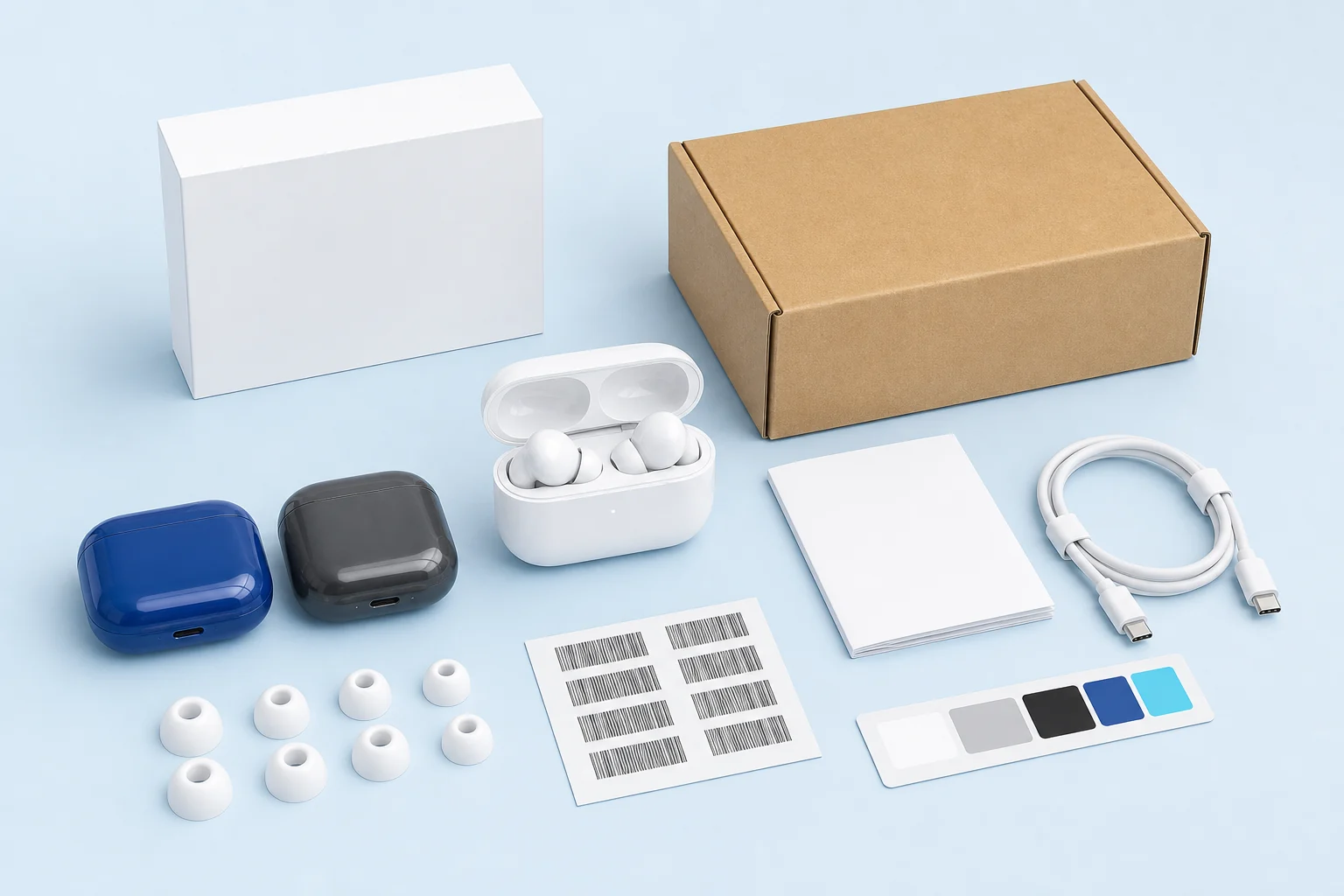
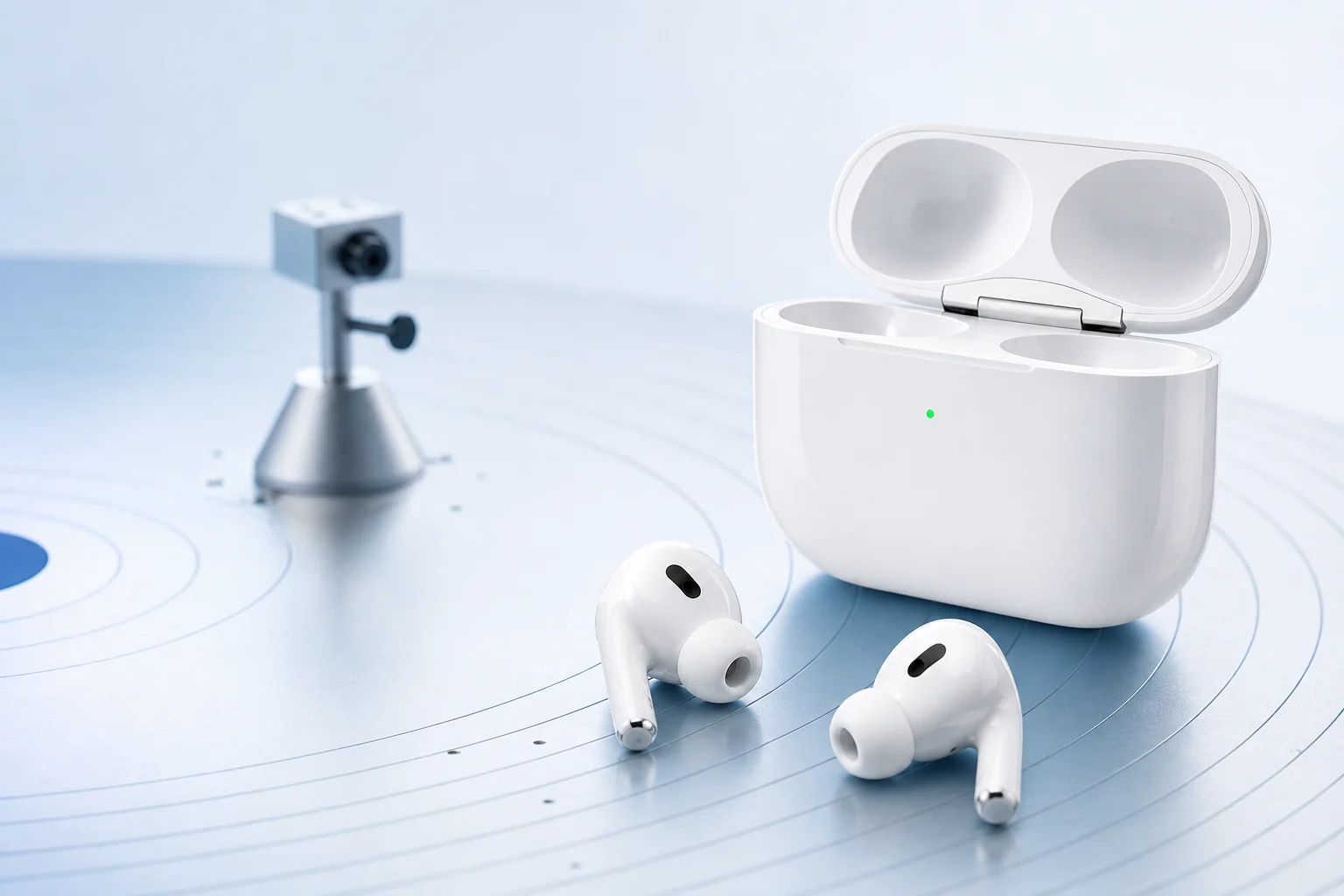
Approve a golden sample, record test conditions, set inspection points and keep packaging claims synchronized with the selected platform.
Market, price, quantity and measurable priorities.
Choose a platform and record requested changes.
Approve color, logo, prompts, pack and claims.
Lock the golden sample and inspection plan.
Source waterproof earbuds by defining the exposure first: sweat, rain, rinse or brief immersion are different engineering briefs. Select an IP target, seal design, secure fit, controls and charging-case protection, then verify the approved sample under stated conditions.
Compare fit, radio behavior, microphone samples, acoustic consistency, runtime method, charging reliability, compliance scope and the exact customization included in the quotation.
Visible answers match the FAQPage structured data and keep model-dependent language explicit.
No. The words should map to a stated test level. Use the approved IP rating and its conditions instead of a broad promise.
It depends on exposure. Sweat and rain programs may use a different target from products intended for brief immersion. Confirm the exact model and test report.
Do not assume the case shares the earbud rating. Case protection must be specified and tested separately, and contacts should be dry before charging.
Use production-intent samples, the selected IP method and post-test functional checks for audio, microphones, controls and charging.
Housing color, logo, tips, controls, case, packaging, manuals and warnings are typical options. Availability depends on the protection platform.
Share market, quantity, target price, priority features, branding and packaging. The form opens a WhatsApp draft for review and never sends automatically.
contact@globalvibecart.com
WhatsApp: +86 172 7868 9106
Planning references: Bluetooth SIG specifications, FCC equipment-authorization resources, and European Commission CE-marking guidance.
These references provide planning context; they do not prove that a particular model is certified or compliant. Verify the applicant, manufacturer, model, configuration, standard, date and market scope of each record.
Last reviewed: 26 July 2026. See About, our method, terms, or contact us.